Rosario López
Elías Doria
Elias Doria, curador de la exposición.
¿Cuánto peso sostiene el relato que inventa un origen? ¿En qué momento lo que la cultura material sanciona como falso y lo que preserva como verdadero comienza a desmoronarse bajo la fuerza de su propia invención? Ficciones de Barro se despliega en la sala como un hackeo sostenido a la historia oficial. Una invitación a dudar de las certezas institucionales para habitar el umbral de la sospecha y el simulacro.
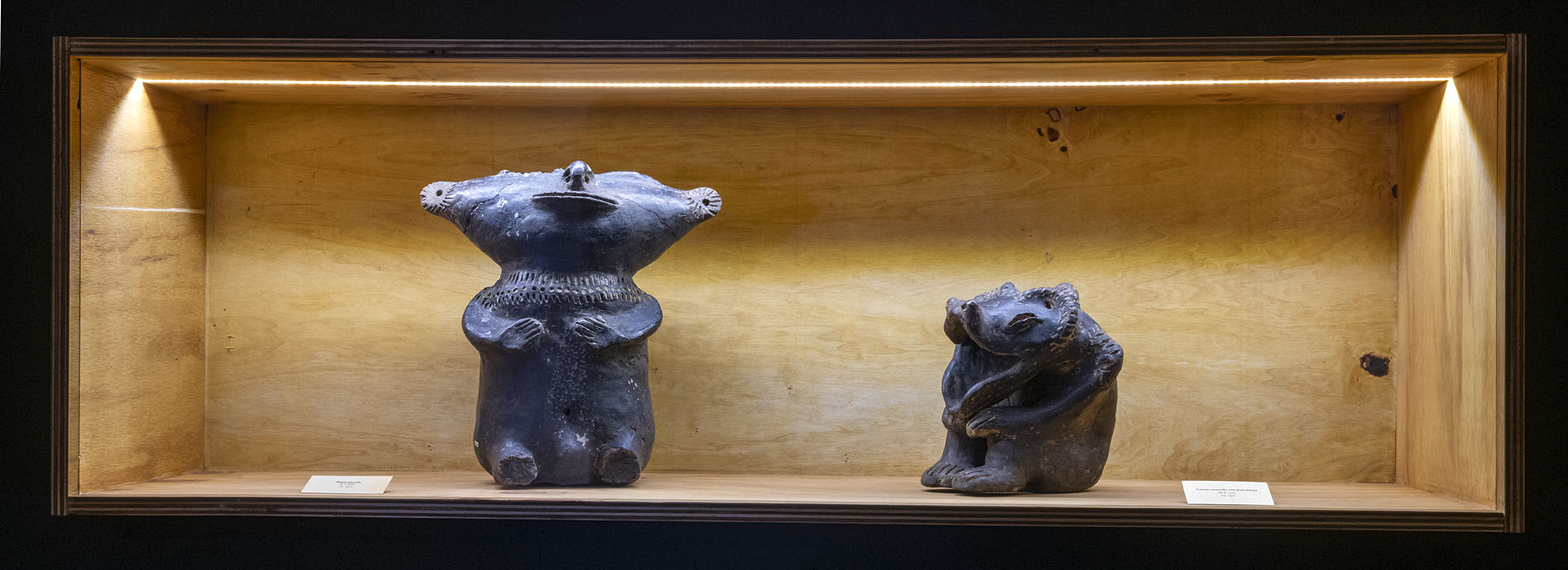
Todo parte de un episodio picaresco y asombroso: las cerámicas que la familia Alzate moldeó en Medellín a finales del siglo XIX. Estas piezas engañaron a museos y arqueólogos europeos porque materializaban un pasado prehispánico tan verosímil que terminó por volverse real para quien lo miraba. Esa arqueología inventada, el gesto de copiar para crear un origen nuevo, es el detonante que Rosario López utiliza para proponer un nuevo viaje a través de la materia.
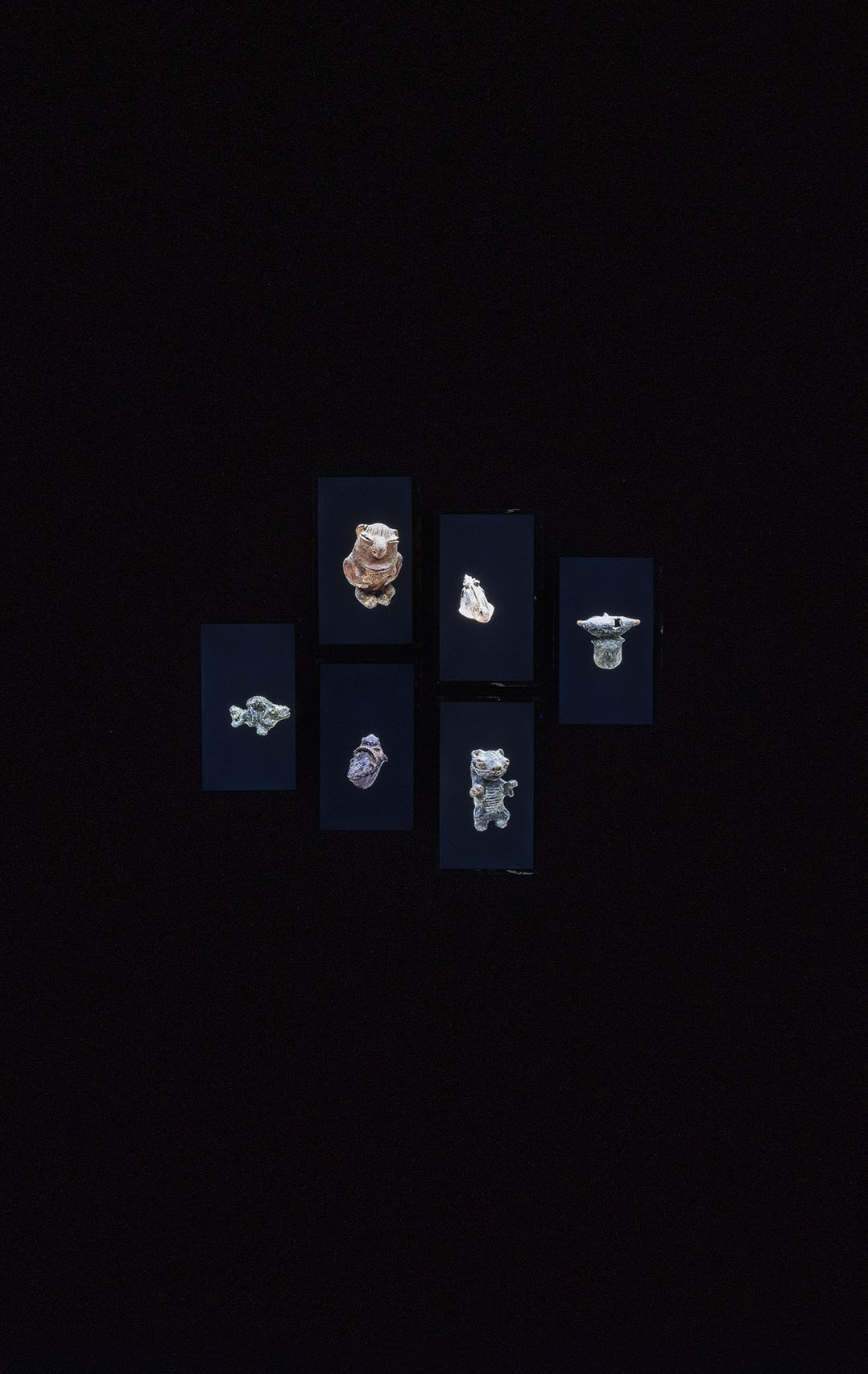
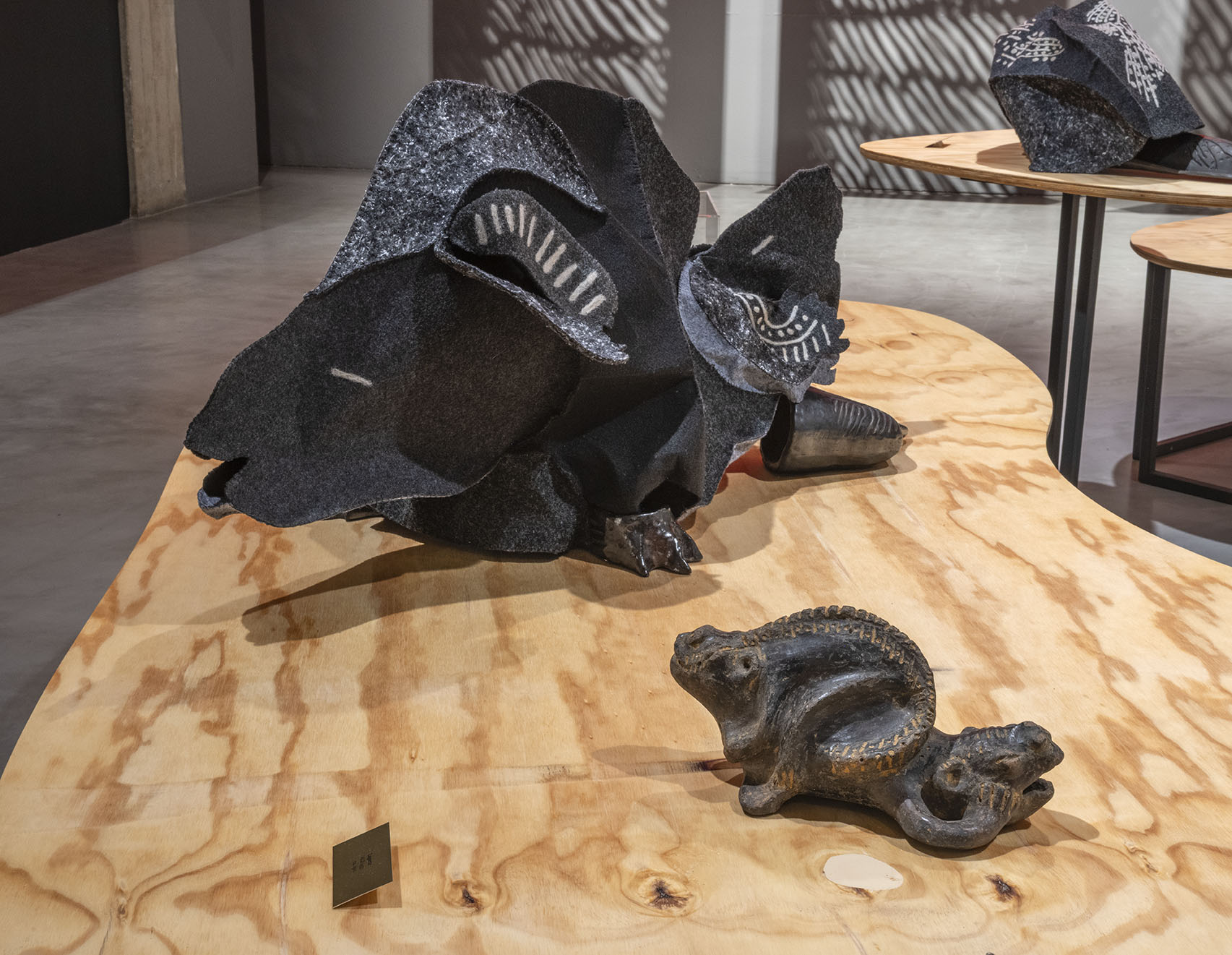
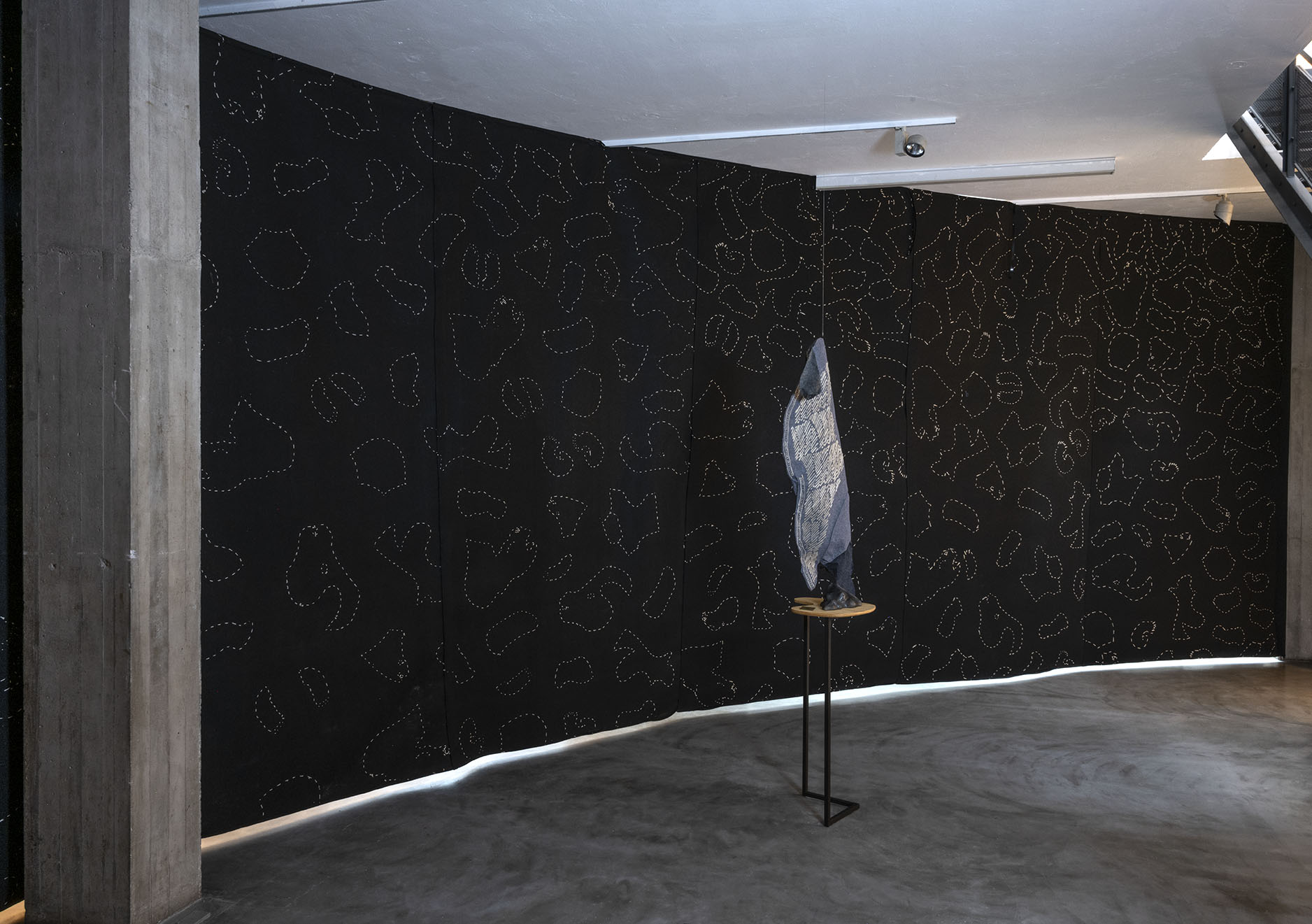
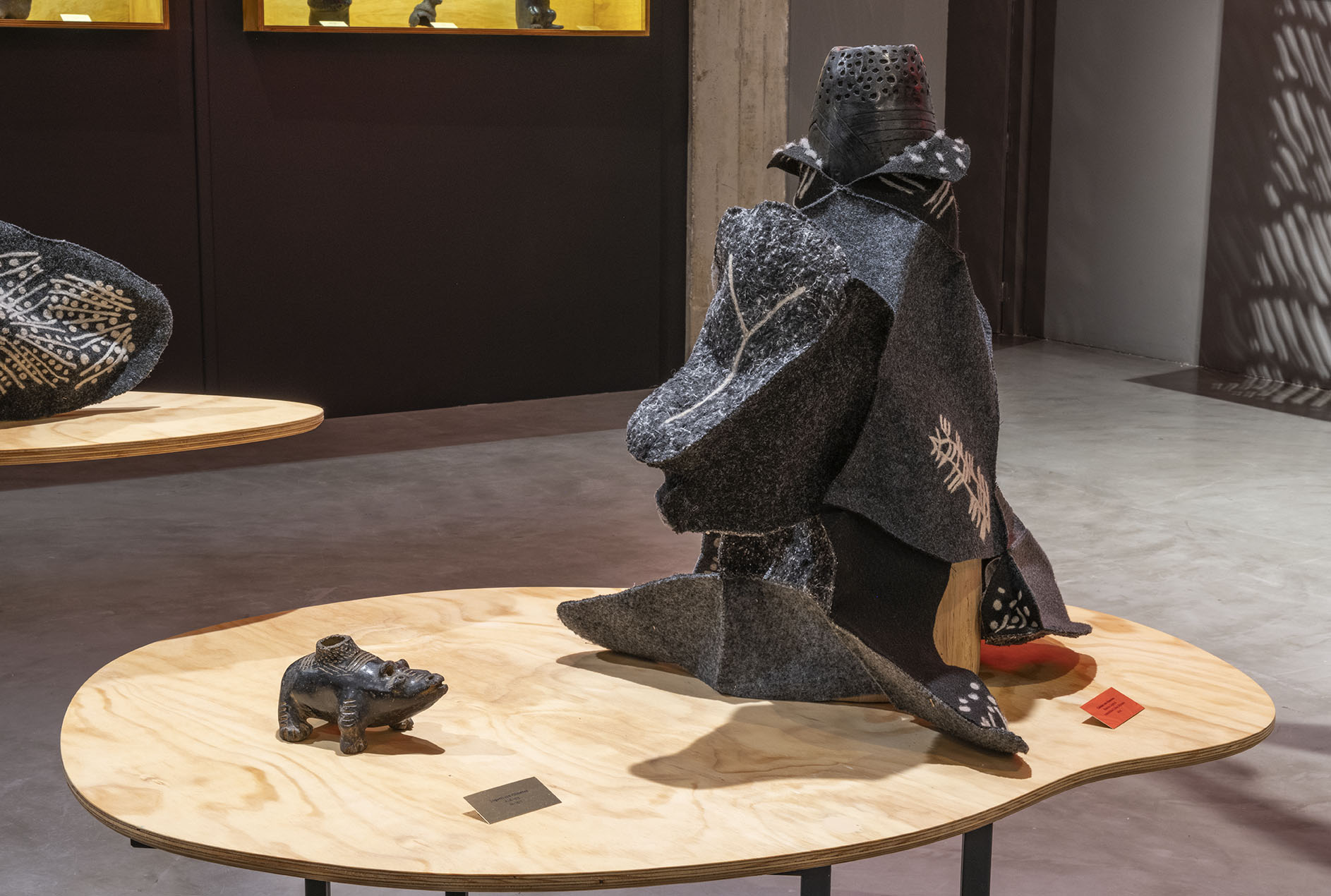
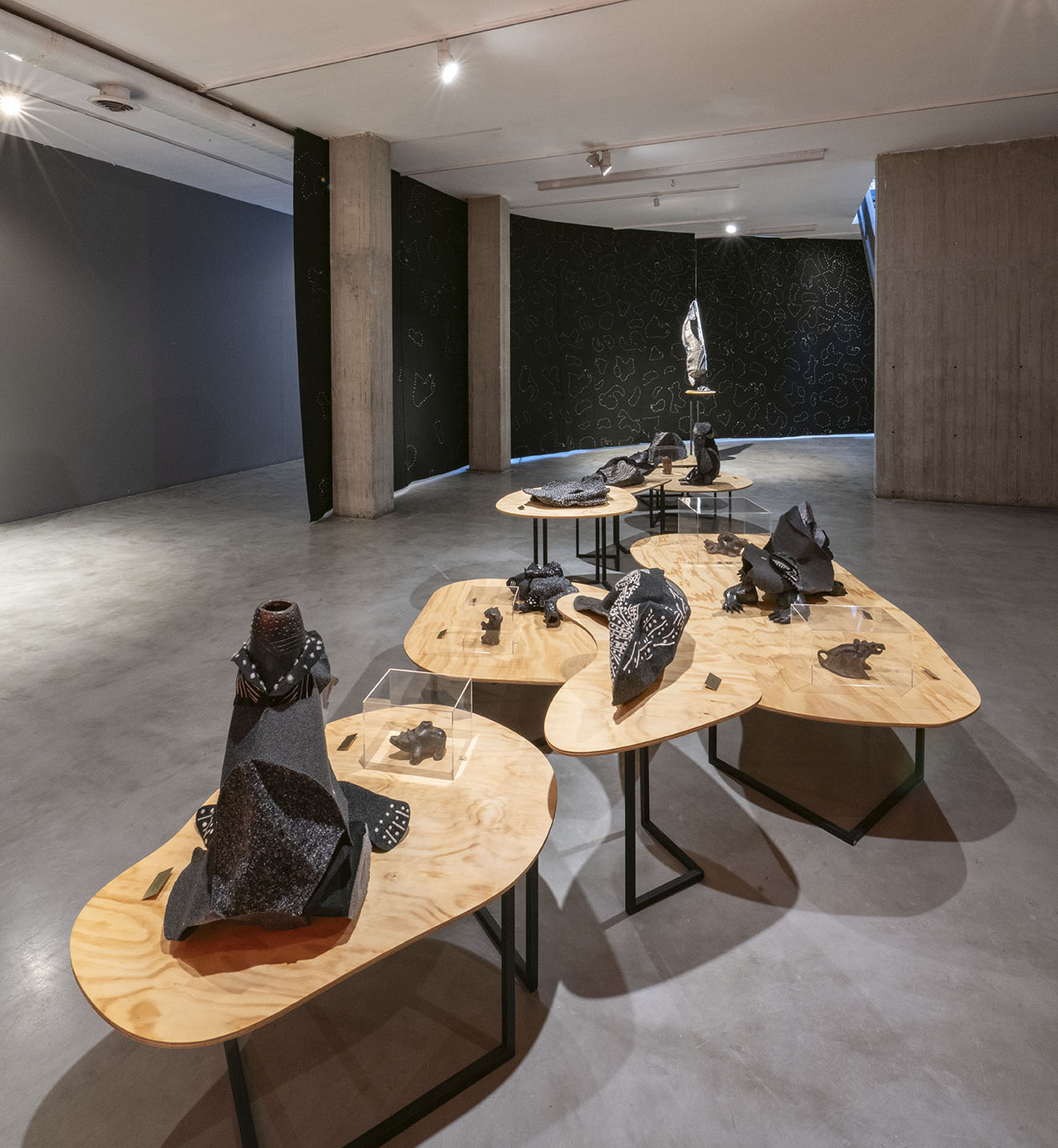
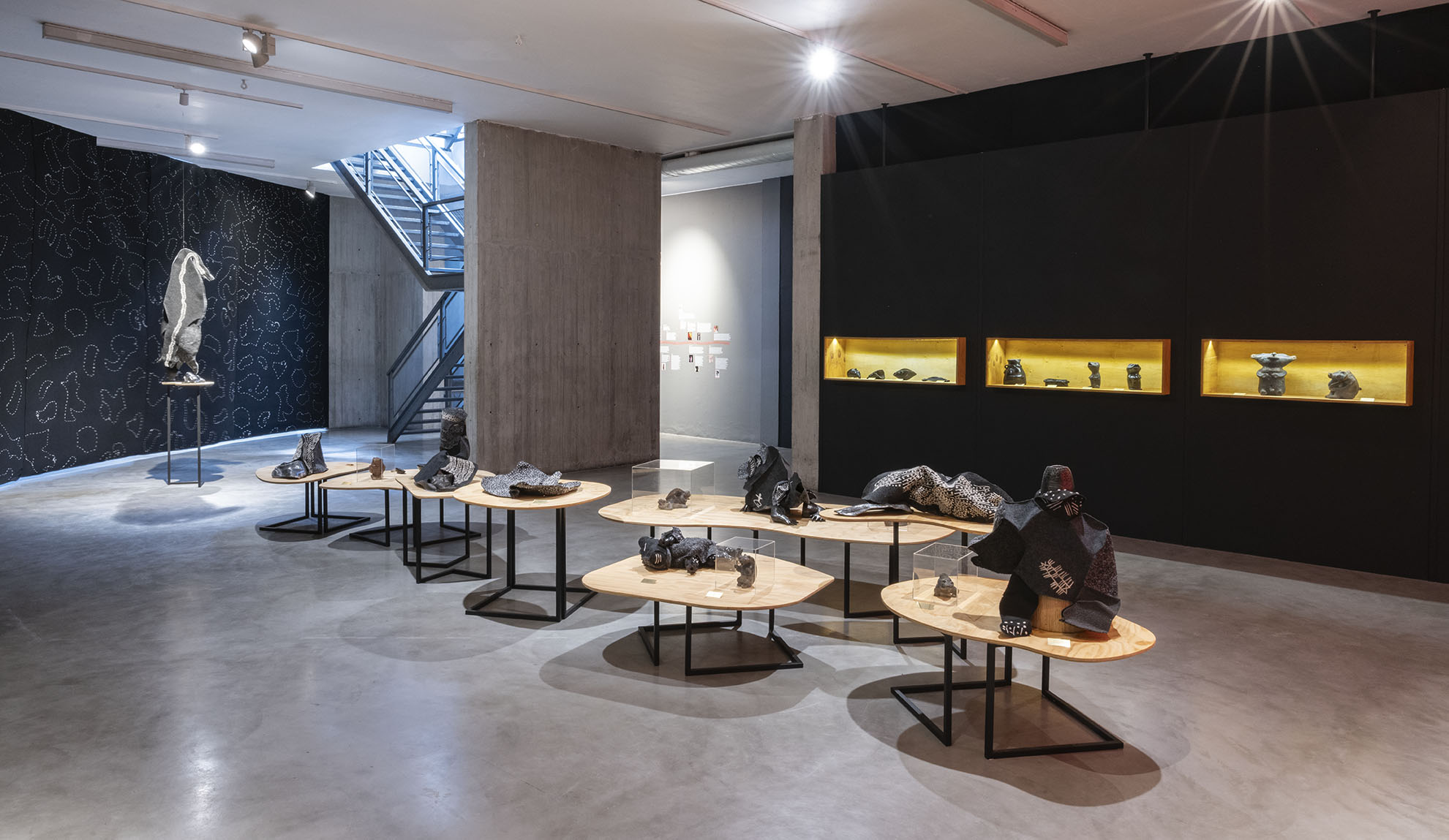
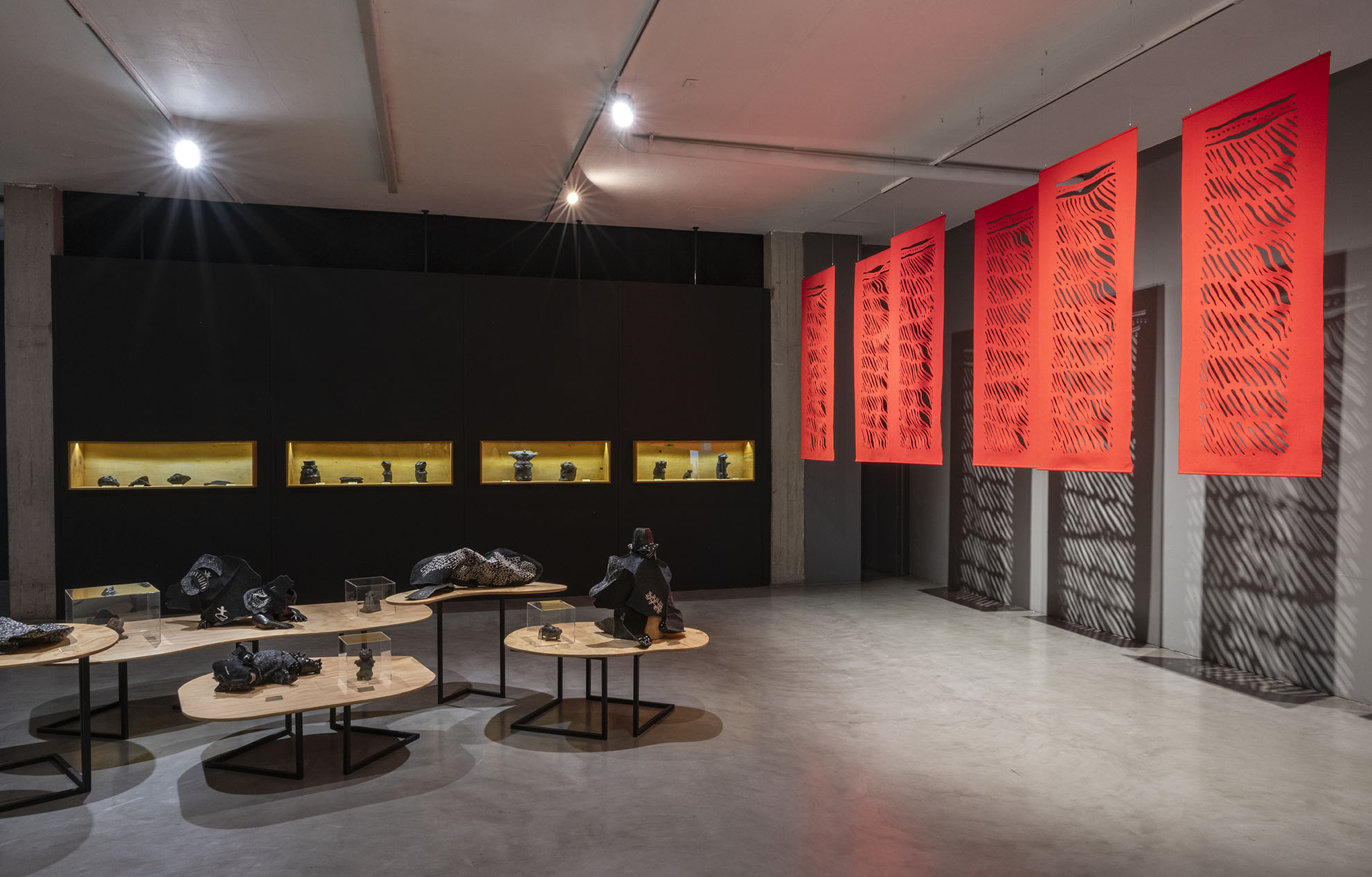
La muestra opera como un entretejido ambiguo donde los límites de la certeza se diluyen. En la sala hacen presencia algunas piezas originales de la Colección Alzate, que confrontan y se confunden con las esculturas producidas por Rosario López y con aquellas nacidas de su colaboración con tres generaciones de alfareras de la comunidad indígena Cubay Jëjënava, en el Vaupés. La artista invita a las alfareras a reingresar en esa ficción, no para restaurarla, sino para expandirla. El gesto colectivo se transforma en una etnoficción: un territorio donde lo ancestral, lo especulativo y lo imaginado se escriben mutuamente.
Lejos de proponer una asignación unilateral o una comisión externa, el proyecto da continuidad a la línea de investigación que Rosario López ha sostenido de tiempo atrás en el territorio de la Amazonía colombiana. Se trata de un proceso de coautoría basado en la reciprocidad y el respeto técnico, donde las alfareras Cubay Jëjënava asumieron los registros de la Colección Alzate como un catálogo de libre elección, decidiendo de manera autónoma cuáles imágenes interrogar, transformar y reactivar a partir de sus propios saberes matéricos. Ellas retoman ese conjunto de piezas eludiendo la copia literal para dar paso a una abstracción sutil que desplaza cualquier expectativa de representación directa.
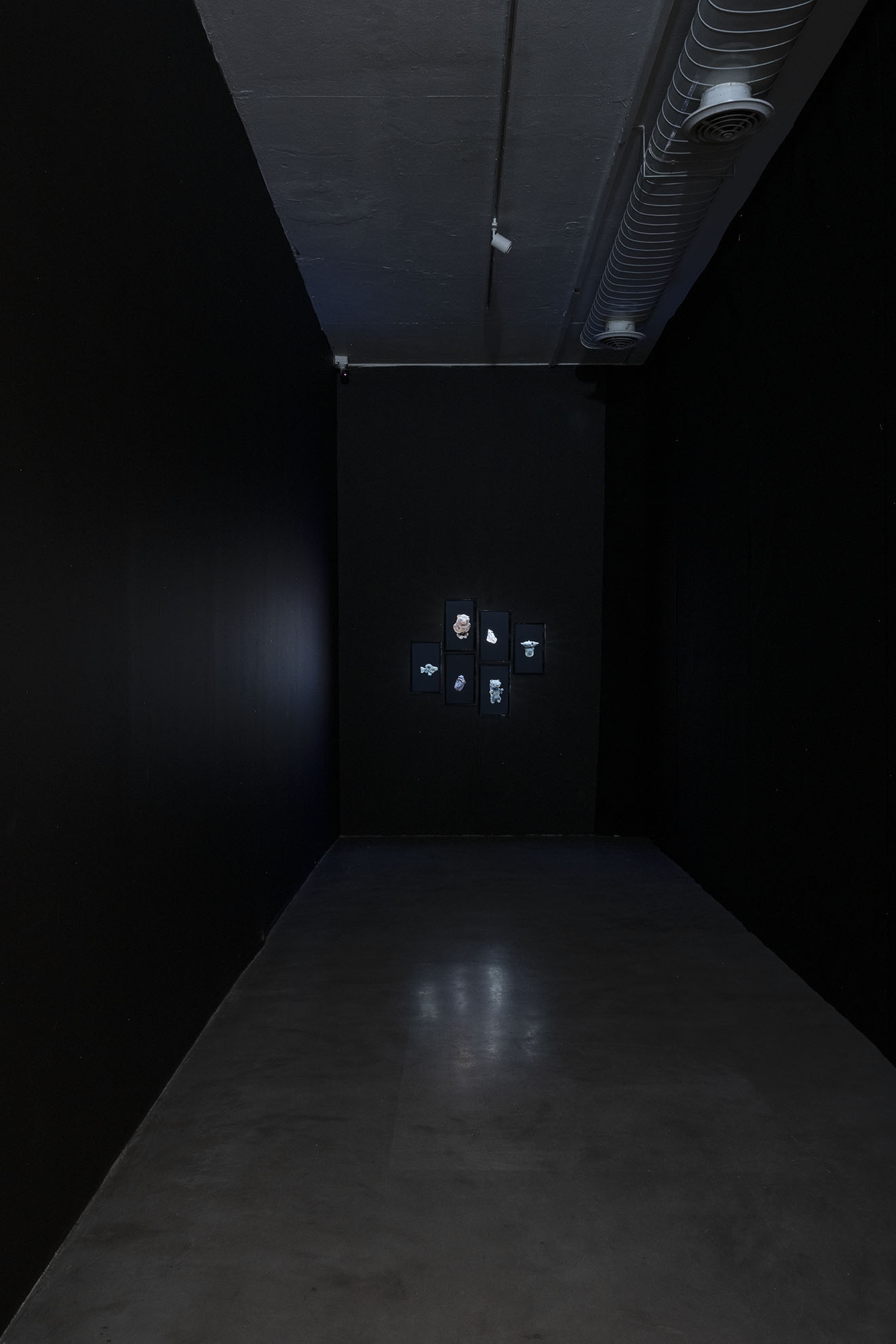
Esta confusión deliberada se extiende al espacio mismo. La museografía no funciona aquí como un soporte neutral; los pedestales, soportes y dispositivos de exhibición son de la autoría de la artista, operando en un umbral difuso entre la obra de arte, el objeto utilitario y la escenografía. El espacio del museo se convierte, así, en una extensión de la misma ficción.
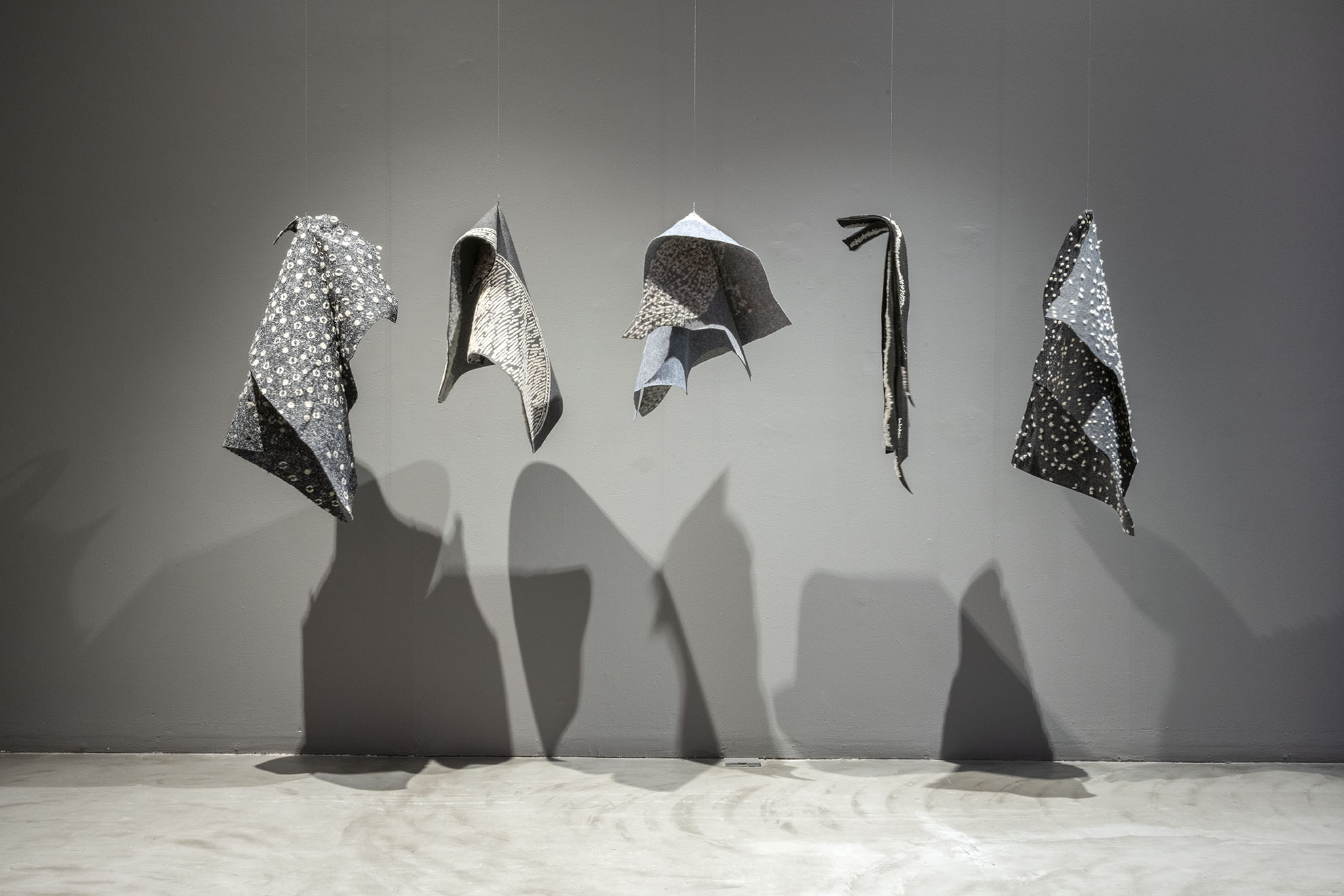
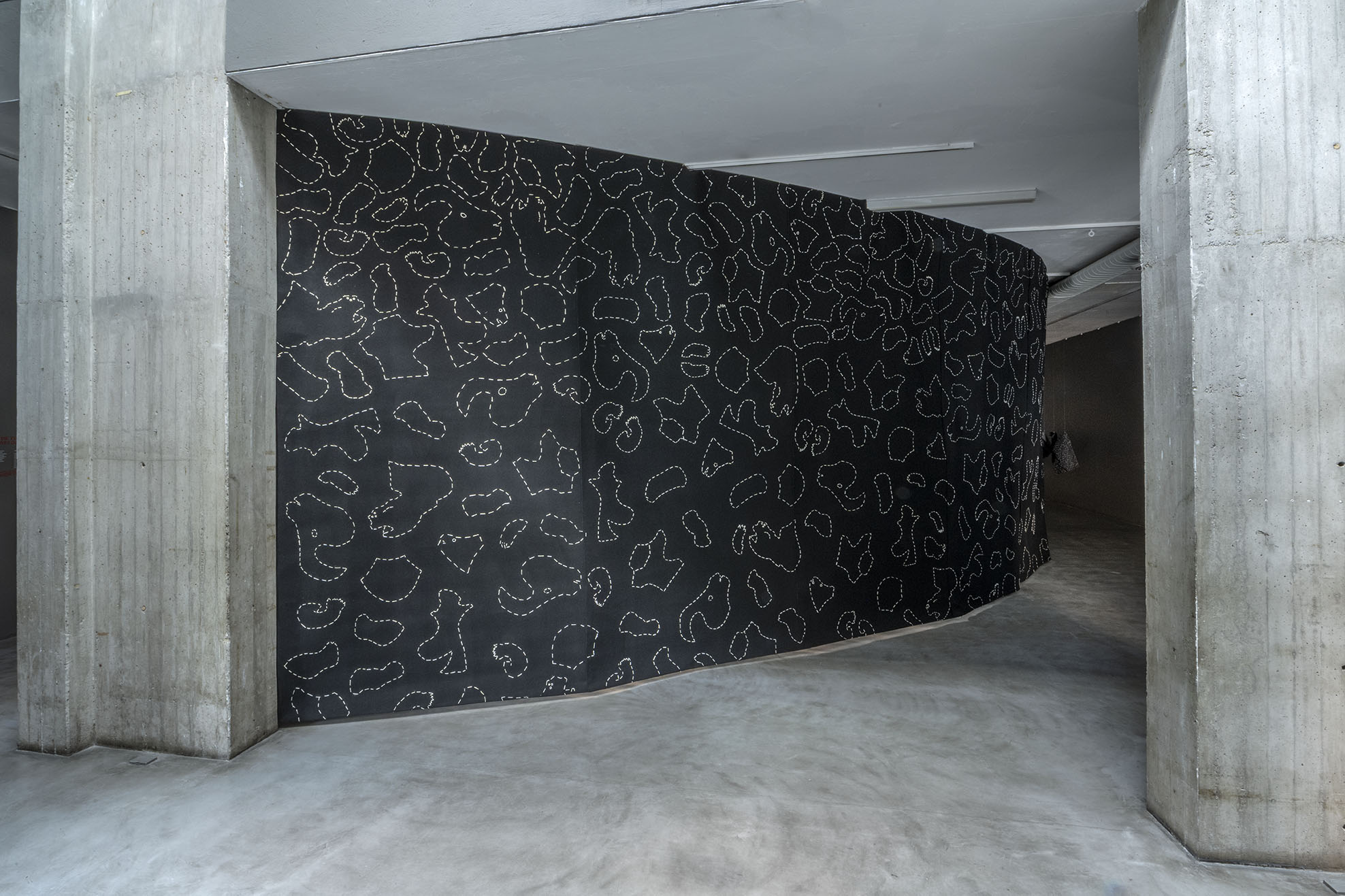
La mutación material continúa expandiéndose cuando estas formas dialogan con el fieltro, el escáner 3D y la inteligencia artificial, haciendo emerger criaturas que desbordan cualquier linaje conocido. Ficcionar el pasado no significa borrarlo, sino desordenarlo para abrirlo a futuros probables. En esta deriva, cada pieza quiebra la idea tradicional de originalidad y nos recuerda, como escribe la teórica Trinh T. Minh-ha, que la realidad es un acto de la imaginación.[i]
Todo ocurre en la materia, allí donde no hay escapatoria posible. El barro, el textil, el gesto de la mano y el espacio devuelven las preguntas esenciales de la muestra: ¿qué es real cuando la historia siempre ha sido una construcción? ¿Qué es falso cuando el engaño también es capaz de sostener una verdad humana?
Al final de este cruce se desprende algo simple y profundo: no es cuestión de corregir el pasado, sino de dejar que su resonancia despliegue nuevas capas de imaginación. Que toda cultura es una arquitectura de invenciones y que, en la materia que tocamos, moldeamos y recorremos, se cifra buena parte de cómo imaginamos y habitamos el mundo.
Elías Doria
Antropólogo y curador
—
[i] Trinh T. Minh-ha, When the Moon Waxes Red: Representation, Gender and Cultural Politics (Nueva York y Londres: Routledge, 1991).
With El país de Nunca Jamás, Diego Cibelli transforms NC arte into a geography suspended between storytelling, sensory experience, and imagination. This immersive, site-specific exhibition takes its name from Peter Pan’s island, created by J. M. Barrie: a realm inhabited by lost children and fantastical creatures, removed from the ordinary coordinates of time. The desire for freedom raises a question that runs throughout the exhibition: how can we imagine other worlds and make them places we can inhabit together?
Neverland embodies nostalgia for childhood, the refusal to grow up, and the possibility of escaping reality’s rules. Yet the promise of an existence free from the constraints of adult life is inherently ambivalent. Even an imaginary paradise establishes conditions of access, shapes belonging, and can create exclusion. Cibelli begins with this tension to explore the relationship between individuals and communities, between the desire to create another world and our responsibility toward those who inhabit it with us.
The passage begins in the street. Figures and creatures that resist easy classification appear at the windows; layers of transparency and overlapping forms turn the façade into a permeable threshold between the city and the world taking shape inside. Architecture becomes part of the narrative, accompanying visitors on a journey that changes their perception of space. Entering the building extends an encounter that began outside, as the boundaries between the familiar and the unfamiliar become uncertain.
Inside, figures, suspended elements, objects, and ephemeral materials preserve traces of an action and evoke the gestures of a ritual already performed. Childhood emerges through play and its ability to alter our perception of time, question hierarchies, and suspend conventions. The pleasure of discovery and the possibility of assuming other forms open up relationships yet to be defined, giving imagination an active role in the exhibition experience.
A monumental island-garden creates an enchanted landscape, lush and vulnerable. Hybrid figures and organisms born from the grafting of human, animal, and vegetal forms constitute an ecosystem in which identities are redefined through encounter and metamorphosis. Each body reveals a relationship between different forms. Their coexistence invites us to observe the differences and mutual dependencies that sustain this environment, recognizing transformation as a possibility for shared existence.
Cibelli’s imagery draws on preclassical mythologies, the ephemeral architecture of Baroque festivities, and Arcimboldo’s composite heads. Grafting, hybridization, and the intermingling of forms connect these references and reappear in his creatures. These lineages intersect with other ways of understanding the living world that question human centrality and recognize our interdependence with other forms of life. Together, these perspectives allow us to understand the body as a site of transformation and the landscape as a set of relationships.
The artist’s exploration of ways of dwelling also engages with humanistic geography, which considers how experience, memory, and emotional bonds give meaning to places. A sense of belonging develops through the presences and gestures that move through a space. To dwell is to participate in this web of relationships, recognizing that a shared environment is also shaped by those who pass through it and the relationships they establish there.
In El país de Nunca Jamás, the imaginary island thus becomes a laboratory for the present. Fiction allows us to explore the categories through which we distinguish what we regard as our own from what we perceive as other. Who finds a place in this paradise? What responsibilities does individual freedom entail? Visitors explore these questions as they move through the space. Wonder becomes a form of attention to presences different from our own. To imagine another world is to begin reconsidering how we inhabit the one we already share.
– Eugenio Viola